
TECHNOLOGY

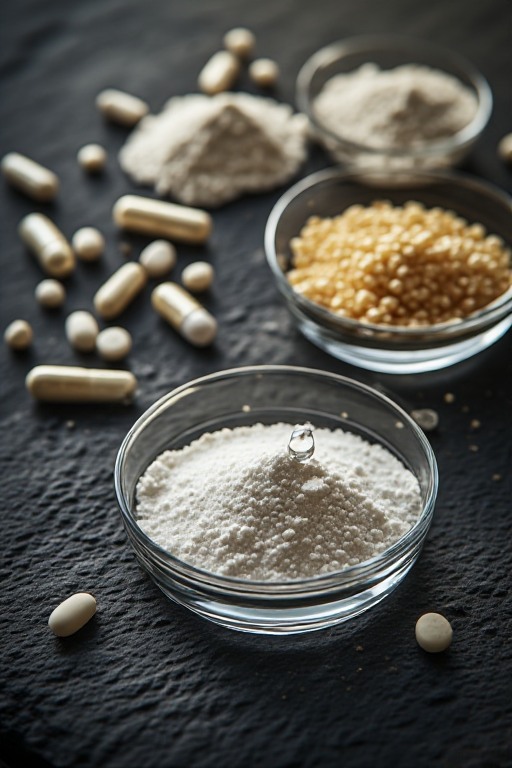
SowTrap™ integrates material science, formulation engineering, encapsulation technology, and process optimization to convert challenging bioactives into stable, functional, and application-ready delivery systems. Rather than applying a single encapsulation method to every ingredient, we engineer the delivery system around the specific properties, intended use, and performance requirements of the active.

Technology selection philosophy

Science-led. Application-driven. Performance-focused.

We develop advanced delivery solutions that help nutritional and functional ingredients perform better where it matters — during processing, throughout shelf life, and in the final product. From challenging actives to high-value nutrients, our technologies are designed around the specific properties of each ingredient and the performance required from the final application.

Ingredient Challenge:

Sensory Challenges

What We Create:

Taste-masked and sensory-optimised formats

Reduced bitterness, metallic notes and undesirable odour.

Ingredient Challenge:

Low Bioavailability

What We Create:

Bioaccessibility focused delivery systems

Improved availability of the active during digestion.

Ingredient Challenge:

Targeted Release

What We Create:

Controlled and application-specific release systems

Delivery at the desired site of action.

Ingredient Challenge:

High Active Load

What We Create:

Optimised high-load formulations

Higher active delivery with efficient use of carrier materials.

Ingredient Challenge:

Poor Solubility

What We Create:

Enhanced dispersibility and delivery systems

Improved solubility and more uniform distribution in the final product.

Ingredient Challenge:

Active Instability

What We Create:

Protective encapsulation systems

Improved stability against heat, oxygen, light and moisture.

Ingredient Challenge:

Formulation Challenges

What We Create:

Application ingredient formats

Improved compatibility, handling and formulation flexibility.

Ingredient Challenge:

Process Sensitivity

What We Create:

Process-compatible protective systems

Better active retention during manufacturing.

Our Approach to Ingredient Innovation

Ingredient-Led Design

We begin with the active ingredient — understanding its functional characteristics, limitations and delivery challenges. From stability, solubility and sensory properties to dose and bioavailability, we identify the key factors that influence performance and define opportunities for improvement.

StageWhat we evaluate
Understand the ActiveDefine the Delivery ChallengeDefine End ApplicationSelect Microencapsulation MaterialSelect Encapsulation TechnologyEngineer the ProcessValidate Performance

Solubility & polarity

Molecular characteristics • Thermal stability • pH sensitivity • Oxidative/light sensitivity • Hygroscopicity • Dose requirement • Taste & odour

Stability protection

Solubility/dispersibility • Taste masking • Protection during processing • Controlled/sustained release • Improved bioaccessibility • Compatibility with formulation

Product format

Processing conditions • Storage conditions • Target dose • Reconstitution/dispersibility • Sensory requirements • Matrix compatibility • Intended release profile

Compatibility

Solubility • Barrier properties • Processing tolerance • Release behaviour • Regulatory suitability • Sensory impact • Moisture protection

Active sensitivity

Material compatibility • Encapsulation efficiency • Particle-size requirements • Thermal exposure • Desired release profile • Scale-up feasibility • Application suitability

Feed composition

Core-to-wall ratio • Total solids • Temperature profile • Feed rate • Atomization conditions • Residence time • Drying conditions • Process yield

Encapsulation efficiency

Active retention • Particle size & morphology • Moisture content • Solubility/dispersibility • Stability • Release profile • Bioaccessibility • Application performance
Our Technology
Platform

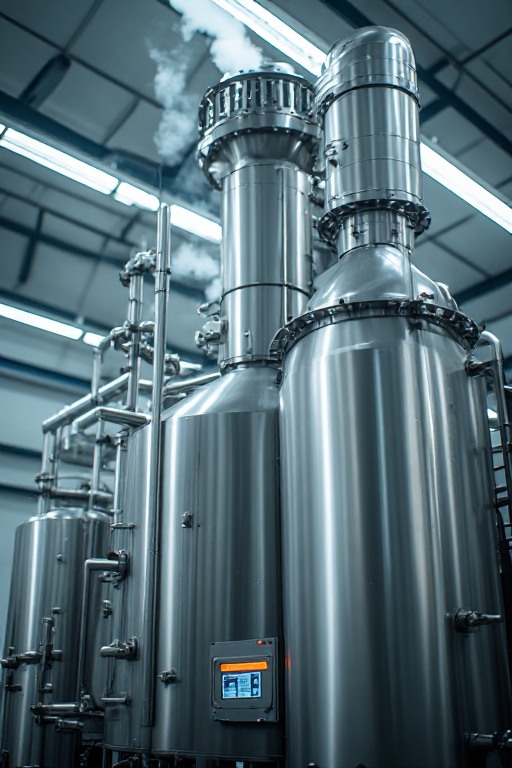
At SowTrap™, we leverage advanced encapsulation and particle engineering technologies to develop high-performance functional ingredients with enhanced stability, bioavailability, and application versatility. Our technology platforms are selected and optimized based on the physicochemical properties of each bioactive and its intended application.

Key encapsulation technologies

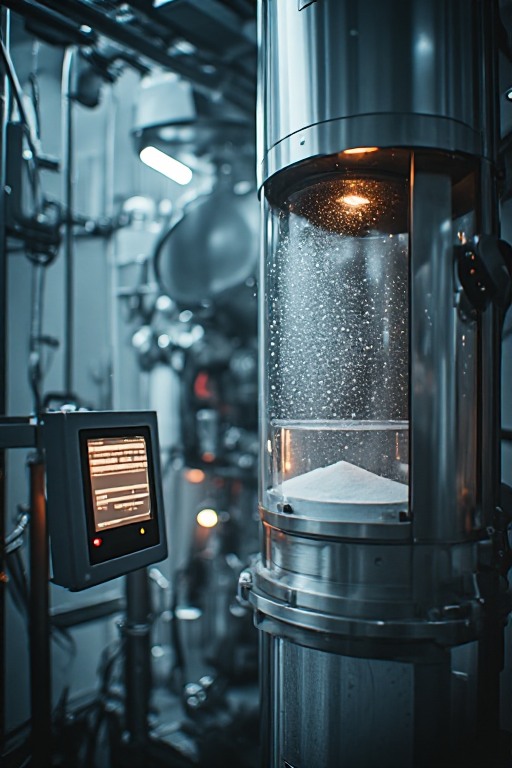
A scalable and cost-effective encapsulation technology that converts sensitive bioactives into stable, free-flowing powders suitable for diverse food, nutraceutical, and pharmaceutical applications.

Key Features

  • High encapsulation efficiency (typically 70–95%)
  • Excellent scalability for commercial manufacturing
  • Cost-effective continuous processing
  • Improved stability against heat, moisture, and oxidation
  • Suitable for vitamins, minerals, botanical extracts, probiotics, amino acids, flavors, and functional oils
  • Compatible with powders, tablets, capsules, gummies, beverages, and functional foods

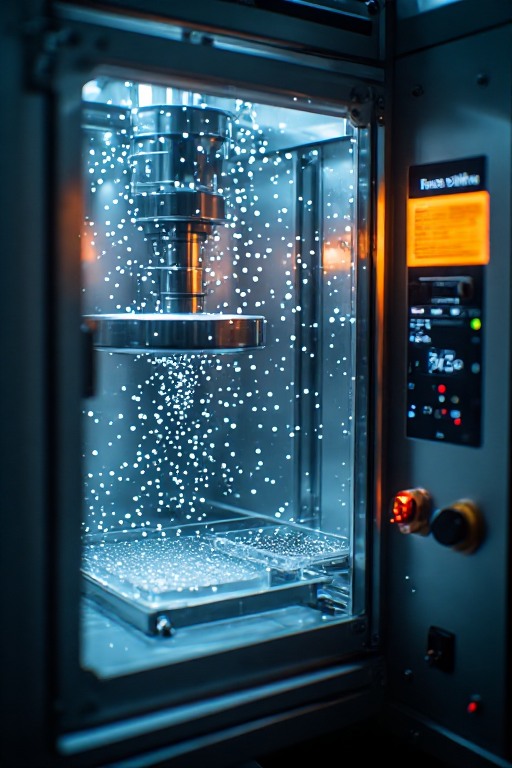
A low-temperature dehydration process designed to preserve highly sensitive bioactive compounds while maintaining their structural and functional integrity.

Key Features

  • Maximum retention of heat-sensitive and volatile compounds
  • Preserves biological activity and nutritional quality
  • Excellent product stability and shelf life
  • Minimal thermal degradation
  • Ideal for micro-organisms, enzymes, peptides, botanical extracts, and premium nutraceutical ingredients

An advanced green processing technology that utilizes supercritical carbon dioxide for the extraction and encapsulation of sensitive bioactive compounds without the use of harmful organic solvents.

Key Features

  • Environment friendly, solvent-free processing
  • Low-temperature operation suitable for thermolabile compounds
  • High encapsulation efficiencies
  • Precise control over particle size and morphology
  • Zero solvent residue in the final product
  • Improved stability of flavors, essential oils, botanical extracts, lipophilic nutrients, and pharmaceutical actives
  • Faster processing with high product purity
  • Applications across nutraceutical, food, pharmaceutical, and cosmetic industries

Phospholipid-based delivery systems designed to encapsulate bioactive compounds within lipid vesicles, improving protection and systemic delivery.

Key Features

  • Improved cellular uptake and bioavailability
  • Enhanced protection from gastrointestinal degradation
  • Suitable for hydrophilic and lipophilic bioactives
  • Supports controlled and targeted nutrient delivery
  • Ideal for vitamins, antioxidants, botanical actives, peptides, and specialty nutraceuticals

At SowTrap™ encapsulation begins with intelligent matrix design. Rather than relying on a one-size-fits-all approach, we engineer customized coating systems based on the physicochemical properties of each bioactive, its stability requirements, target release profile, and intended application.

Materials that shape delivery

Materials: Pea Protein • Rice Protein • Caseinates

Matrix Overview

  • Natural emulsifying and film-forming properties
  • Interfacial activity supporting oil-in-water emulsion stabilization
  • Protein–bioactive interactions through hydrophobic, electrostatic, and hydrogen-bonding interactions
  • Formation of cohesive protective matrices around bioactives
  • Suitable for both hydrophilic and lipophilic compounds, depending on formulation
  • Protease-responsive matrix degradation can support gastrointestinal release

Materials: Gum Arabic • Modified Starches • Functional Polysaccharides

Matrix Overview

  • Excellent film-forming and matrix-forming properties
  • Good aqueous dispersibility and hydration behaviour
  • Effective protection of sensitive compounds during processing and storage
  • Broad compatibility with food and nutraceutical ingredients
  • Particularly suitable for spray-dried powder systems
  • Matrix composition can be tuned to modify moisture barrier and release characteristics
  • Scalable and adaptable to continuous manufacturing processes

Materials: Protein + Carbohydrate Systems

Matrix Overview

  • Combines protein emulsification and interfacial stabilization with carbohydrate film formation
  • Tunable protein-to-carbohydrate ratio
  • Improved structural integrity and environmental stability
  • Can provide multi-stage or modified release behaviour
  • Suitable for challenging or multifunctional bioactives
  • Enables optimization of matrix properties for specific applications
  • Compatible with multiple processing and product formats
  • Customizable release kinetics
  • Improved processing and storage stability
  • Suitable for powders, capsules, tablets, gummies, beverages, and functional foods
  • Allows formulation properties to be tailored to the target application

Materials: Phospholipids • Lecithin • Medium-chain triglycerides (MCTs) • Solid lipids • Waxes

Matrix Overview

  • Hydrophobic matrices provide an effective environment for lipophilic and poorly water-soluble bioactives
  • Phospholipids provide amphiphilic properties that facilitate interaction with both aqueous and lipid phases
  • Lipid matrices can form solid, liquid, or vesicular structures depending on composition and processing
  • Supports controlled or sustained release through lipid matrix composition
  • Can provide a protective barrier against water, oxidation, and environmental degradation
  • Suitable for developing lipid-based delivery systems with enhanced dispersion and bio accessibility
  • Improves delivery of poorly water-soluble and lipophilic bioactives
  • Enhances dispersibility of selected lipid-soluble ingredients
  • Provides opportunities for taste masking and improved sensory compatibility
  • Suitable for applications in functional foods, nutraceuticals, beverages, capsules, and other delivery formats

Scientific Validation

From Encapsulation to Evidence

Our encapsulation technologies are supported by rigorous scientific evaluation to ensure consistent performance, quality, and functionality across diverse applications.

Analytical and Performance Studies

We begin by characterizing the encapsulated system to assess active protection, stability, release, and performance under relevant processing and biological conditions, establishing its suitability for the intended application.

From analytical characterization to clinical evaluation, from technical documentation to scientific collaboration, every stage is designed to build evidence around how the encapsulated active performs—from formulation and processing through application and, where relevant, human use.

Evidence That Moves With the Active